



SICKLERVILLE, N.J. — The engine of the pickup truck cut. Out stepped Brian Wright, head football coach at Timber Creek High, still holding the phone that had buzzed enough times to serve as an alarm clock on the first day of spring break. He awoke to 63 unread messages. There was no need to unlock the phone. He understood. He’d fallen asleep during the first round of the NFL Draft. The Philadelphia Eagles hadn’t yet picked, and Jihaad Campbell had still been on the board.
Advertisement
Wright’s beard-stubbled grin twitched with subtext. Philadelphia. If he stood in his pickup bed there behind Timber Creek’s field house, he could just make out the skyline that’s just under a 30-minute drive away. How many Timber Creek Chargers had sweated their souls out on that practice field with even the slightest belief they’d go pro? A handful made it. But with the Eagles? It was nearly 8 a.m., and many in the Timber Creek community were still just starting to rub their eyes at the news that warmed them like coffee.
Dina Tomczak, the school’s athletic director, tottered into her office having barely slept. She’d spent her late adolescence as an usher at Lincoln Financial Field in Section 237, just so she could watch Eagles games. She’d quit in protest when the team let Brian Dawkins walk in 2009. (“I was bitter,” she said.) She’s spent almost every year since with her father in Section 114, in heckling distance of the visiting team’s tunnel. To watch Campbell run out on the other side? That’s like family. She’d woken up her young daughter, Harper, to share the news. Harper (named after Bryce Harper) sat quietly in her mother’s office wearing Eagles-branded mouse ears.
Tomczak still calls Campbell “my little.” The irony is clear. She’s 5-1. He’s 6-3. Later that evening at his introductory news conference, Campbell strode into the NovaCare Complex auditorium flashing a familiar smile at the hometown visitors huddled in the back rows who jolted upright when he struck his hands together in a series of thunderous claps — his personal trademark of enthusiasm. Wright laughed from a far seat. Campbell’s mother and father smiled in the front row as their son sat onstage. (“I feel like a GM,” he quipped, eyeing the crowd.) Campbell said his homecoming didn’t hit him until Philly came into view on his flight back from the draft. He’d grown up in an Eagles household and had a close relationship with his grandfather, who might’ve been the most excited about the move.
“I thought he was about to faint,” Campbell said.
Advertisement
Tomczak had planned on watching the entire first round with coworkers at an Italian restaurant near the school. She’d instead gone home at pick No. 15, sensing Campbell’s moment was coming soon. (“I can’t cry in front of these people,” she said.) Her husband went upstairs after she bristled at his suggestion that Campbell could go in the second round. Her phone flashed notifications from a group chat in which she said her friends were “praying” to Howie Roseman to “please do this.” She cried when the Eagles general manager obliged. She sat in front of the TV for three more hours, scrolling through social media long enough to watch Campbell’s virtual interview with local reporters.
She sent him a text: I’m so proud of you.
Campbell sent back a picture of himself wearing an Eagles hat.
“He just had this thing about him that you just knew,” Tomczak said. “He had a drive and you knew he was going to go to the next level. You didn’t know when, but you just knew that it was going to happen.”
“This might’ve been one of the most important interviews I’ve ever done.”
Donovan Leary meant it. This was the story of how his best friend reached his dream. This was the fulfillment of all their years spent sitting on the artificial turf at Gloucester Township Park, calling out the NFL teams they’d play for and against in future Super Bowls, their middle school-visions as real as the sweat evaporating off their skin.
“For us, there was no other option,” Leary said. “That was what we were gonna set to do.”
Leary can’t remember when he first met Jihaad Campbell. It’s like he’d always known who Campbell was. Campbell was the third-grade running back for the Winslow Maulers who “probably got the ball 55 times” and outran everyone on Leary’s GT Stallions. (“We still won the game, so, like make sure you put that in there.”) Campbell was the kid who trained with the same private track coach. Campbell and Leary chased each other around the track with footballs in their hands. Together, they “put the pieces together to hang out all the time.”
Advertisement
“Blood couldn’t make us closer,” Leary said.
The phone line crackled. Leary spoke from New Orleans. He’s a quarterback at Tulane University. His older brother, Devin, backs up Lamar Jackson and Cooper Rush for the Baltimore Ravens. Timber Creek wasn’t devoid of standard-setters. Damiere Byrd, a 2011 graduate, was an NFL receiver for eight seasons. Tyreek Maddox-Williams, a 2016 graduate, briefly joined the Eagles’ linebacker corps during the 2023 training camp. But the generation Campbell grew up in was particularly motivated. He’s Sicklerville’s third draft pick in two years. Devin Leary and Tarheeb Still, a cornerback for the Los Angeles Chargers, were both Day 3 picks in 2024.
“I feel like we always had the talent,” said Still, who led the Chargers with four interceptions last year. “Guys always had the work ethic. It was really just about putting it all together at the next level in college and really showing that we could play in the NFL.”
That eventually became a major theme for Campbell, who chose to challenge himself against steeper competition by spending his senior year at IMG Academy in Bradenton, Fla. But in those early days, Still said Campbell was the “little brother” proving himself against the older crowd who’d attend park workouts Leary organized. Campbell was a long, gangly eighth grader with enough turbo to believe he’d be a wide receiver. The linebacker’s body was still filling out its frame, and he suffered a knee injury that sidelined him for his entire freshman season at Timber Creek.
Campbell’s rehab at age 14 was a seminal phase. Given the NFL teams that later passed on Campbell with medical concerns, it’s a particularly relevant phase. Wright said that the first injury “built the foundation of who he is.” At a time when bike-riding teens were discovering the gifts that’d shape their lives, Campbell’s life took shape after losing his gift.
Last week, Campbell, now recovering from labrum surgery, spoke up for other prospects who managed injuries throughout the draft evaluation period. “A lot of people don’t see that process,” he said. His early experience formed confidence and self-belief, reinforced by family in a way Donovan Leary remembers from carpools during their freshman year.
“We’re sitting there in the car,” Leary said, “and I just remember his mom just saying that there’s a plan for everybody and Jihaad’s plan’s gonna be a little different because he can’t play right away in Timber Creek, but if we just follow the plan and we stick to the path, everything’s gonna happen the way it’s supposed to.”
Advertisement
Tomczak remembers a freshman few would’ve known was injured. Campbell spent his lunch period and after-school hours in the weight room cranking out pull-ups, knocking out upper-body workouts, continuously asking trainers and coaches what else he could physically do. Campbell kept his rigorous routine long after his knee healed. Leary said Timber Creek had an open lunch period that allowed students to leave school grounds temporarily. Leary found Campbell afterward drenched in sweat.
Dude, what were you doing?
Squatting.
Campbell burgeoned into the freak athlete who’d throw down 360 windmill dunks in Leary’s driveway. Campbell once outran five defenders while turning a slant from Leary into a 58-yard touchdown against Delsea High, a New Jersey juggernaut. He’d regularly snag one-handed catches in throwing sessions at the park with Leary, then slowly ride his bike beside his walking quarterback and pepper Leary with questions about his routes on the 15-minute trip home.
Campbell’s thirst to learn protected him from obstinacy. A two-way player, Campbell’s dominance as a defensive end during his sophomore season made it clear he was built to play defense. Wright arrived the following offseason with defensive coordinator Clint Wiley, and Wiley, who’d coached linebackers and defensive ends at Villanova, met Campbell and asked what position he played.
Defensive end.
“Well, you’re not any longer,” Wiley recalled saying. “You’re gonna be a linebacker.”
No, Coach, I’m a D-end.
Wiley reassured Campbell that he was built for linebacker. He had small ankles, better for flexibility and speed. He had high calves, better for explosiveness and agility. He’d pack on the pounds and still “run like a deer.” Indeed, Campbell amassed 45 tackles and seven sacks in a breakout junior season. Wiley deployed Campbell as a rush-oriented standing linebacker, a hybrid defender whose versatility remains his most coveted trait. Wiley, an Ohio native, made it a running joke that Campbell wasn’t good enough until Ohio State offered — but, even after the Buckeyes did, Wiley advised Campbell to consider Clemson because then-defensive coordinator Brent Venables ran a three-man front that best suited him.
Advertisement
Campbell was committed to Clemson until Venables left for Oklahoma a week before signing day. By then, Campbell had finished his senior season at IMG — a decision that ruffled some feathers back home but was so blatantly sensible that Wright said, “I think I was mad at him for about an hour.” Leary encouraged Campbell to battle higher-ranked recruits and “prove to everybody that dude should have never ever been in the conversation with you.” Campbell emerged from IMG as a consensus five-star prospect, the nation’s top-rated edge rusher.
Campbell didn’t forget where he came from. He chose to return to Timber Creek to sign with Alabama during a ceremony in which he sat next to Leary — a decision Wright said “spoke volumes.” Almost every summer since, Campbell has stopped by the school to talk with the next crop of Chargers. His return with the Eagles reinforces a sense of place that one’s home most strongly magnifies. Timber Creek is planning a draft party, Tomczak said. As for a jersey retirement, the school requires that such players be graduates — a technicality complicated by Campbell’s departure to IMG.
“I mean, I’m in charge now,” Tomczak shrugged. “So, we’ll see.”
Kane Wommack had never coached someone who could play all four of his linebacker positions.
Sure, there’d been versatile athletes. Kamu Grugier-Hill at Eastern Illinois. Micah McFadden at Indiana. But Wommack had not asked either of those NFL-bound linebackers to fulfill the superfecta in his scheme.
Then there was Jihaad Campbell. Wommack joined Kalen DeBoer’s inaugural Alabama staff in the post-Nick Saban spring of 2024. They began their offseason workout program, and Wommack noticed Campbell immediately. His long 6-3, 235-pound frame. The speed that’d later clock the fastest shuffle sprint (19.45 mph) among linebacker at the scouting combine. Campbell was also productive in 2023 (66 tackles) without being Alabama’s primary starting outside linebacker (he also missed the season-opener with a knee scope). Wommack wondered how much more Campbell could handle.
Wommack decided to throw the playbook at Campbell until a mental barrier emerged. One didn’t. On nights before meetings, the coaching staff sent Campbell digital slides detailing both inside linebacker positions, their rush end and “Wolf” outside linebacker slots, along with their corresponding concepts. Campbell arrived the following mornings with notes and questions, and by the time they hit the practice field, there’d generally only be one concept Campbell needed to run through before he’d digested his duties fully.
Advertisement
“I kept thinking that we’re gonna hit a roadblock at some point,” Wommack said. “And there was never a point where we felt like we had to limit a portion of the game plan because he couldn’t handle it mentally. And so we just put a whole lot on him.”
Campbell flourished into a second-team All-American mainly as Alabama’s “Mike” or “Sting” inside linebacker. But he spent 14.3 percent of his defensive snaps along the edge, according to Pro Football Focus. Wommack said he deployed Campbell at “Wolf,” their strongside edge defender, against teams that frequently used two tight ends. “Wolf” was a hybrid role under Wommack in which Campbell at times lined up at the second level behind three down linemen — sometimes blitzing, sometimes dropping into coverage.
Campbell’s proficiency at all four spots adds intrigue to the level of creativity Eagles defensive coordinator Vic Fangio will exercise with his new linebacker. Fangio, a longtime innovator of the 3-4 structure, deployed his base package in 2024 at the lowest frequency of his career (8.4 percent), according to TruMedia. The top-ranked Eagles defense was a nickel-oriented unit (80.5 percent) that rotated a foursome of edge and interior defenders in front inside linebackers Zack Baun and Nakobe Dean.
Will Fangio start Campbell out at “Mike” linebacker, since Dean’s recovery from a torn patellar tendon could sideline him through the beginning of the 2025 season? Will Campbell backup the rangy Baun? Will Campbell reinforce a rotation of edge rushers that lost Josh Sweat and Brandon Graham in the offseason? Or will Fangio concoct another front that ranges Campbell in a Micah Parsons-esque role?
The answer might very well be a combination. Eagles general manager Howie Roseman refused to categorize Campbell as only an off-ball linebacker, instead emphasizing the team’s desire to disrupt the passing game. Fangio also has a well-documented approach of throwing large portions of the playbook at players to see what sticks. Regardless of whether Campbell starts out under the tutelage of Jeremiah Washburn, who coaches the edge rushers, or Bobby King, who coaches the inside linebackers, it’s not difficult to imagine Fangio gradually testing Campbell’s limitations in the same way Wommack did.
Wommack said he’s “excited to see how they utilize Jihaad in year one,” but he’s also excited to see Campbell’s growth track over his first few years in the NFL. The Eagles will be managing a rookie’s learning curve. How much value does Campbell fundamentally bring to each position? And how much can he handle? Those are the bottom-line questions Wommack said will navigate Campbell’s first pathway to the field.
A two-day rookie minicamp begins Friday for the Eagles. It’s still uncertain whether Campbell’s left shoulder will be ready in time for training camp in late July. Campbell didn’t offer a timeline, only saying he’s taking it “day by day.” Roseman refused “to go into the medical stuff” but said the Eagles view Campbell as a “long-term investment.”
Advertisement
As the Timber Creek staff knows, Wommack said Campbell won’t let an injury “affect his practice habits or play.” Wommack recalled how he and Alabama’s linebackers coach, Chuck Morrell, sat Campbell down before their ReliaQuest Bowl game against Michigan — a game Campbell exited at halftime due to his shoulder — and told Campbell they’d support whatever decision he made about his participation. The eventual first-round pick eyed them both.
I’m playing in this damn game.
“When your best athlete is also the guy that plays with the highest motor and brings the most consistent energy every day, that’s a recipe for greatness,” Wommack said.
(Photo: Kirby Lee / Imagn Images)
This news was originally published on this post .

About the author


Těžký pád českého snowboardisty. Parťáka Adamczykové odvezli záchranáři
Choura měl před úvodním dílem Světového poháru pád v přípravě, kdy si poranil rameno a koleno. Lékaři ho zvládli dát dohromady, s pomocí tejpů a prášků dokázal postoupit z kvalifikace individuálního závodu. V něm pak vypadl v osmifinále.Spolu s olympijskou vítězkou Adamczykovou v nedělní týmové soutěži postoupil ze čtvrtfinále, v dalším kole ale na tvrdé trati neukočíroval svůj snowboard, dopadl po skoku nekontrolovaně na sjezdovku a sklouzl mimo trať.Závod byl na několik minut přerušen, u Choury zasahovali členové českého týmu i lékaři, kteří ho odvezli do prostoru cíle. Další informace o jeho stavu zatím nejsou k dispozici.Adamczyková pak se ztrátou na startu dojela na čtvrté příčce, do malého finále Češi logicky nenastoupili, ale pro tým bylo klíčové, aby byl Choura co nejvíce v pořádku.S týmovými závody má neblahou zkušenost i Adamczyková, která si před třemi lety v rakouském Montafonu při předkopnutí snowboardu do cíle ve finále zlomila oba kotníky.
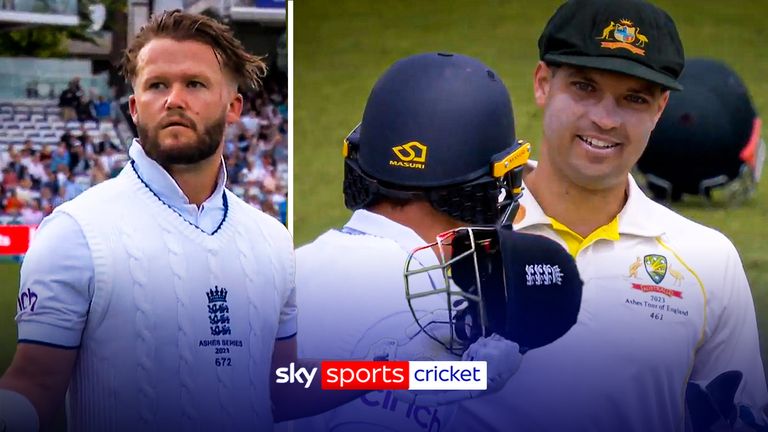
Root says England inspired by 2023 Ashes comeback as he explains Noosa trip
Joe Root told Sky Sports that England are taking inspiration from their Ashes fightback two years ago as they aim to stay in this winter's series as he explained why the Covid series in 2021/22 showed how important breaks from the game are for a team. Spreaker This content is provided by Spreaker, which may be using cookies and other technologies. To show you this content, we need your permission to use cookies. You can use the buttons below to amend your preferences to enable Spreaker cookies or to allow those cookies just once. You can change your settings at any time via the Privacy Options. Unfortunately we have been unable to verify if you have consented to Spreaker cookies. To view this content you can use the button below to allow Spreaker cookies for this session only. Enable Cookies […]
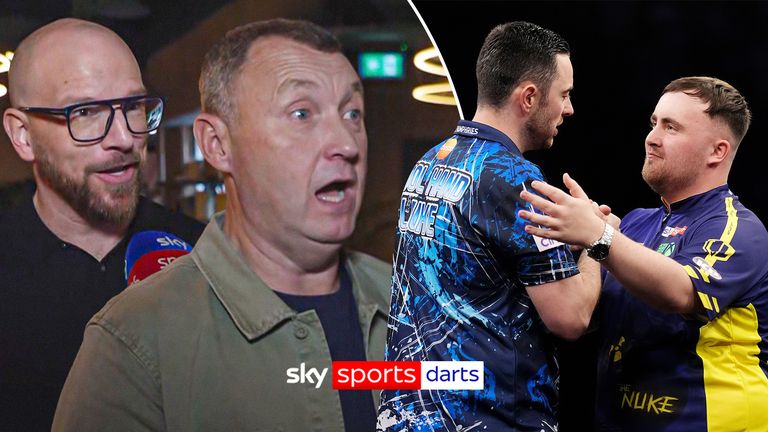
‘Champagne Charlie’ buzzing for Ally Pally debut after smashing Littler record
'Champagne Charlie' Manby is ready for an Alexandra Palace reception to remember having already smashed Luke Littler's record on the Development Tour.Manby was the talk of darts when the Yorkshire slinger threw just 47 darts, racking up a staggering 130.70 average on the Winmau Development Tour in February. It was the best in the tour's history, obliterating reigning world champion and good friend Littler's record of 115.22, but fame quickly left the 20-year-old flummoxed. Who is Charlie Manby? Age: 20Nationality: EnglandHometown: HuddersfieldNickname: ChampagneDarts: 22 Gram TargetTotal Titles: FivePDC World Ranking: 166Highest Average: 130.70 Please use Chrome browser for a more accessible video player Wayne Mardle and Mark Webster give their predictions ahead of the World Darts Championship "I think when you have that sort of stat to your name, you've got a bit of a target on your back and […]
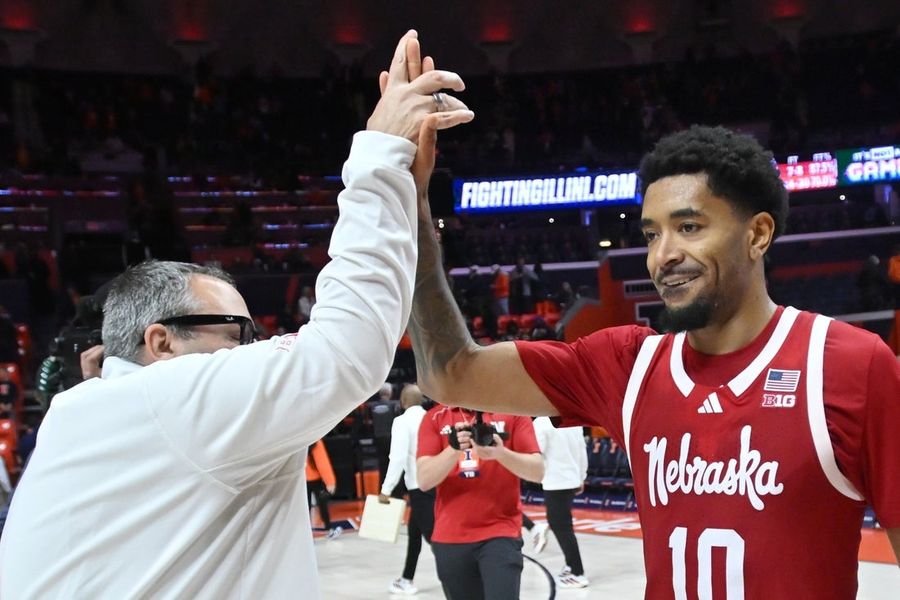
Top 25 roundup: No. 23 Nebraska off to best start in school history
Dec 13, 2025; Champaign, Illinois, USA; Nebraska Cornhuskers guard Jamarques Lawrence (10) gets a hand after Lawerence hit the game winning shot, 83-80 against the Illinois Fighting Illini during at State Farm Center. Mandatory Credit: Ron Johnson-Imagn Images Jamarques Lawrence hit a 3-pointer with 0.2 seconds left to help No. 23 Nebraska beat No. 13 Illinois 83-80 in a Big Ten Conference game Saturday afternoon in Champaign, Ill. Lawrence, who had 14 points, extended the Cornhuskers' school-record win streak to 15 games. Nebraska (11-0, 2-0 Big Ten) is also off to the best start in school history. Pryce Sandfort had 26 of his career-high 32 points in the first half, going 12 for 18 overall and 6 of 11 from 3-point range. Rienk Mast added 17 points for Nebraska, which shot 51.6% and made 12 of 26 3s to win […]
Keyshawn Hall, No. 21 Auburn win big on glass to beat Chattanooga
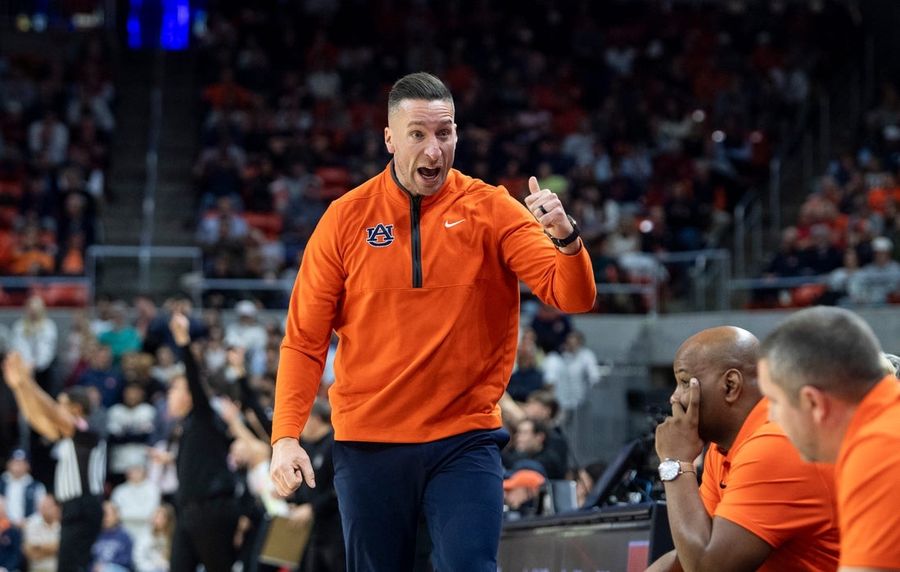
Auburn Tigers head coach Steven Pearl react to his bench as Auburn Tigers take on NC State Wolfpack at Neville Arena in Auburn, Ala. on Wednesday, Dec. 3, 2025. Auburn Tigers defeated NC State Wolfpack 83-73. Keyshawn Hall finished with 22 points, 11 rebounds and six assists to lead Auburn to a 92-78 victory over Chattanooga on Saturday night at Holiday Hoopsgiving in Atlanta. Hall's fifth double-double of the season helped the No. 21 Tigers (8-3) bounce back from a loss last Saturday at then-No. 2 Arizona. Jordan Frison continued to pace Chattanooga (5-6) in scoring with 20 points and also had six assists and four rebounds. But it wasn't enough to score the Mocs a signature win in what was their first game against a ranked opponent in coach Dan Earl's tenure, which began with the 2022-23 season. Chattanooga […]
NBA Cup: Is Victor Wembanyama the only hope to curb a Thunder dynasty?
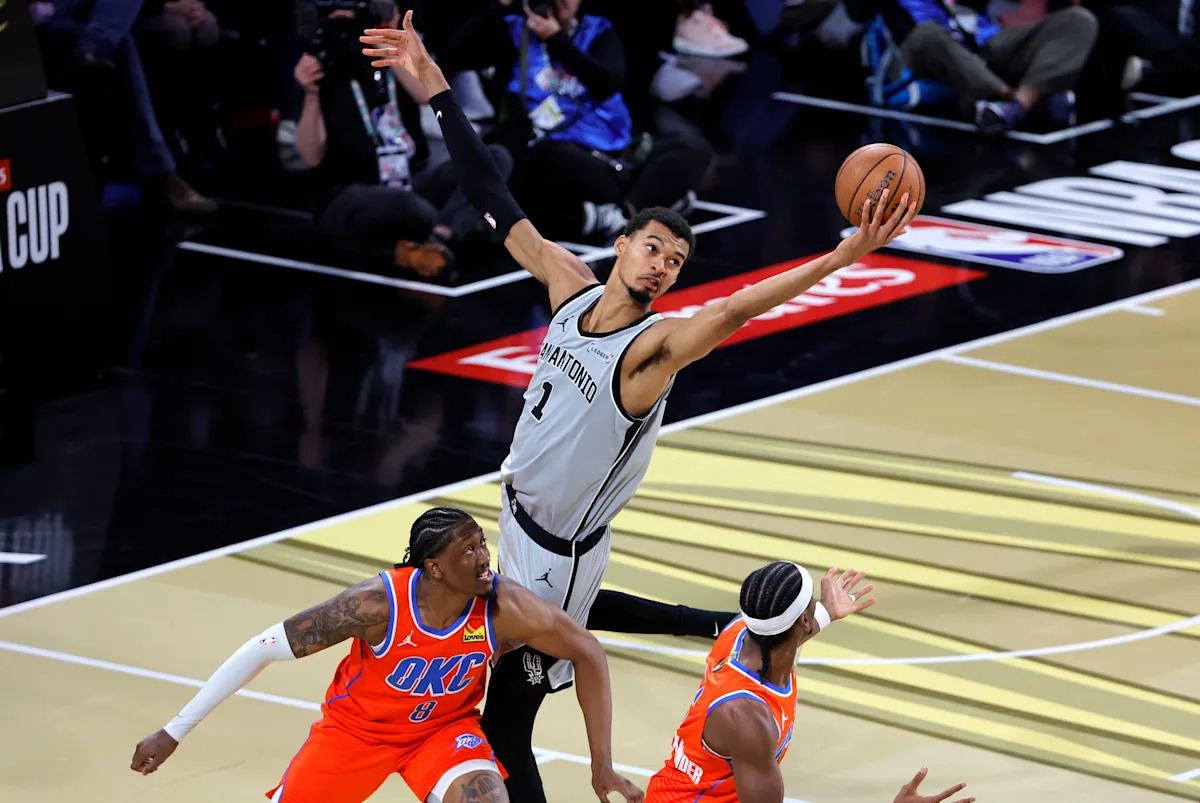
LAS VEGAS — By the time a sweat-drenched Victor Wembanyama took his seat on the Spurs bench, having played the first three and a half minutes of action in a month, a meeting with the champions that previously seemed out of reach suddenly wasn’t.If the first quarter of Saturday night’s semifinal was a reminder of the reign of terror the 24-1 Oklahoma City Thunder have enjoyed for months, the second was a reminder of the French force that refuses to bend the knee.AdvertisementAdvertisementAdvertisementHis introduction to the game — coming off the bench for the first time in his career — changed everything. The friendly skies that Shai Gilgeous-Alexander had coasted in since October were now met with 7 '5 turbulence. Missed Spurs shots became simple second-chance opportunities for the gangly center. Halfcourt sequences that Oklahoma City would typically carry out […]
Related
Těžký pád českého snowboardisty. Parťáka Adamczykové odvezli záchranáři
Choura měl před úvodním dílem Světového poháru pád v přípravě, kdy si poranil rameno a koleno. Lékaři ho zvládli dát dohromady, s pomocí tejpů a prášků dokázal postoupit z kvalifikace individuálního závodu. V něm pak vypadl v osmifinále.Spolu s olympijskou vítězkou Adamczykovou v nedělní týmové soutěži postoupil ze čtvrtfinále, v dalším kole ale na tvrdé trati neukočíroval svůj snowboard, dopadl po skoku nekontrolovaně na sjezdovku a sklouzl mimo trať.Závod byl na několik minut přerušen, u Choury zasahovali členové českého týmu i lékaři, kteří ho odvezli do prostoru cíle. Další informace o jeho stavu zatím nejsou k dispozici.Adamczyková pak se ztrátou na startu dojela na čtvrté příčce, do malého finále Češi logicky nenastoupili, ale pro tým bylo klíčové, aby byl Choura co nejvíce v pořádku.S týmovými závody má neblahou zkušenost i Adamczyková, která si před třemi lety v rakouském Montafonu při předkopnutí snowboardu do cíle ve finále zlomila oba kotníky.
Root says England inspired by 2023 Ashes comeback as he explains Noosa trip
Joe Root told Sky Sports that England are taking inspiration from their Ashes fightback two years ago as they aim to stay in this winter's series as he explained why the Covid series in 2021/22 showed how important breaks from the game are for a team. Spreaker This content is provided by Spreaker, which may be using cookies and other technologies. To show you this content, we need your permission to use cookies. You can use the buttons below to amend your preferences to enable Spreaker cookies or to allow those cookies just once. You can change your settings at any time via the Privacy Options. Unfortunately we have been unable to verify if you have consented to Spreaker cookies. To view this content you can use the button below to allow Spreaker cookies for this session only. Enable Cookies […]
‘Champagne Charlie’ buzzing for Ally Pally debut after smashing Littler record
'Champagne Charlie' Manby is ready for an Alexandra Palace reception to remember having already smashed Luke Littler's record on the Development Tour.Manby was the talk of darts when the Yorkshire slinger threw just 47 darts, racking up a staggering 130.70 average on the Winmau Development Tour in February. It was the best in the tour's history, obliterating reigning world champion and good friend Littler's record of 115.22, but fame quickly left the 20-year-old flummoxed. Who is Charlie Manby? Age: 20Nationality: EnglandHometown: HuddersfieldNickname: ChampagneDarts: 22 Gram TargetTotal Titles: FivePDC World Ranking: 166Highest Average: 130.70 Please use Chrome browser for a more accessible video player Wayne Mardle and Mark Webster give their predictions ahead of the World Darts Championship "I think when you have that sort of stat to your name, you've got a bit of a target on your back and […]
Top 25 roundup: No. 23 Nebraska off to best start in school history
Dec 13, 2025; Champaign, Illinois, USA; Nebraska Cornhuskers guard Jamarques Lawrence (10) gets a hand after Lawerence hit the game winning shot, 83-80 against the Illinois Fighting Illini during at State Farm Center. Mandatory Credit: Ron Johnson-Imagn Images Jamarques Lawrence hit a 3-pointer with 0.2 seconds left to help No. 23 Nebraska beat No. 13 Illinois 83-80 in a Big Ten Conference game Saturday afternoon in Champaign, Ill. Lawrence, who had 14 points, extended the Cornhuskers' school-record win streak to 15 games. Nebraska (11-0, 2-0 Big Ten) is also off to the best start in school history. Pryce Sandfort had 26 of his career-high 32 points in the first half, going 12 for 18 overall and 6 of 11 from 3-point range. Rienk Mast added 17 points for Nebraska, which shot 51.6% and made 12 of 26 3s to win […]
Keyshawn Hall, No. 21 Auburn win big on glass to beat Chattanooga
Auburn Tigers head coach Steven Pearl react to his bench as Auburn Tigers take on NC State Wolfpack at Neville Arena in Auburn, Ala. on Wednesday, Dec. 3, 2025. Auburn Tigers defeated NC State Wolfpack 83-73. Keyshawn Hall finished with 22 points, 11 rebounds and six assists to lead Auburn to a 92-78 victory over Chattanooga on Saturday night at Holiday Hoopsgiving in Atlanta. Hall's fifth double-double of the season helped the No. 21 Tigers (8-3) bounce back from a loss last Saturday at then-No. 2 Arizona. Jordan Frison continued to pace Chattanooga (5-6) in scoring with 20 points and also had six assists and four rebounds. But it wasn't enough to score the Mocs a signature win in what was their first game against a ranked opponent in coach Dan Earl's tenure, which began with the 2022-23 season. Chattanooga […]
NBA Cup: Is Victor Wembanyama the only hope to curb a Thunder dynasty?
LAS VEGAS — By the time a sweat-drenched Victor Wembanyama took his seat on the Spurs bench, having played the first three and a half minutes of action in a month, a meeting with the champions that previously seemed out of reach suddenly wasn’t.If the first quarter of Saturday night’s semifinal was a reminder of the reign of terror the 24-1 Oklahoma City Thunder have enjoyed for months, the second was a reminder of the French force that refuses to bend the knee.AdvertisementAdvertisementAdvertisementHis introduction to the game — coming off the bench for the first time in his career — changed everything. The friendly skies that Shai Gilgeous-Alexander had coasted in since October were now met with 7 '5 turbulence. Missed Spurs shots became simple second-chance opportunities for the gangly center. Halfcourt sequences that Oklahoma City would typically carry out […]
Be the first to leave a comment