



The law that saw Atletico Madrid forward Julian Alvarez’s penalty controversially disallowed in March’s Champions League shootout against Real Madrid has been officially amended — so that if such a ‘double touch’ happens in future the kick would be retaken rather than ruled out.
Amid furore after the ruling out of Alvarez’s spot-kick contributed to Atletico exiting the competition, the La Liga club complained to UEFA, who said they would discuss the law with FIFA, the world governing body, and the International Football Association Board (IFAB), which determines the laws of the game.
Advertisement
IFAB has now decided that if a penalty taker accidentally makes contact with the ball with both feet, and the kick is successful, it must now be retaken — a change from the previous rule which said that it should be counted as a miss.
Alvarez initially thought he had scored from the spot during the penalty shootout in his side’s Champions League last-16 second-leg. The vast majority of the Metropolitano crowd cheered and the stadium scoreboard marked the shoot-out score up to 2-2.
But Madrid players immediately protested that a double touch had taken place, and after a VAR review the goal was disallowed by referee Szymon Marciniak. Madrid went on to advance to the quarter-finals after subsequent misses by Atletico’s Angel Correa and Marcos Llorente.

Alvarez’s penalty was ruled a miss (Angel Martinez/Getty Images)
Marciniak’s decision was in accordance with Article 14.1 of the laws of the game which reads: “The kicker must not play the ball again until it has touched another player. The penalty kick is completed when the ball stops moving, goes out of play or the referee stops play for any offence.”
That law was designed to stop players from deliberately using more than one touch to score, not for accidental cases where players slip over while shooting, and the situation has now been “clarified” IFAB says in a new circular.
“(When) the penalty taker accidentally kicks the ball with both feet simultaneously or the ball touches their non-kicking foot or leg immediately after the kick: If the kick is successful, it is retaken,” the circular says. “If the kick is unsuccessful, an indirect free kick is awarded (unless the referee plays advantage when it clearly benefits the defending team) or, in the case of penalties (penalty shoot-out), the kick is recorded as missed.”
IFAB have not criticised the officials who had decided not to allow Alvarez’s penalty, saying it was “understandable” that referees had up until now decided to disallow spot-kicks scored in such situations.
Advertisement
“This situation is rare, and as it is not directly covered in Law 14, referees have understandably tended to penalise the kicker for having touched the ball again before it has touched another player, thus awarding an indirect free kick to the opposition or, in the case of penalties (penalty shoot-out), recording the kick as missed,” the circular says.
“However, this part of Law 14 is primarily intended for situations where the penalty taker deliberately touches the ball a second time before it has touched another player (e.g. when it rebounds from the goalpost(s) or crossbar without touching the goalkeeper).
“This is very different from the penalty taker accidentally kicking the ball with both feet simultaneously or touching the ball with their non-kicking foot or leg immediately after they have taken the kick, which usually occurs because they have slipped when taking it.
“Not penalising an accidental double touch would nevertheless be unfair, as the goalkeeper can be disadvantaged by the altered trajectory of the ball.”
At his post-match press conference after the game in March at the Wanda Metropolitano, Atletico coach Diego Simeone said the penalty should have been allowed to stand, given the ball had not moved when Alvarez’s standing foot brushed it.
Slow-motion footage of the penalty, posted on UEFA website the following day, appeared to show the ball did move slightly after being touched by Alvarez’s standing left foot before he strikes it with his right.
An Atletico statement two days after the game detailed the “tremendous frustration” the club felt over the decision and threw their support behind a changing of the law.
A club spokesperson said: “For us there is an error in the use of the VAR that has caused tremendous frustration and damage to our fans and the efforts of our players. We consider that there is no clear movement as indicated in rule 14 and that in 45 seconds you cannot resolve an action that more than a day later is still unclear.
Advertisement
“But we are aware that even if this error is demonstrated in the use of the VAR it will never change the final result of the tie. We believe that the football family must work together to prevent such an error from happening again.”
Asked about the new IFAB clarification, an Atletico spokesperson said the club still maintained that the referee made a mistake in disallowing Alvarez’s penalty, given that Law 14 specifies that there must be intention to voluntarily play the ball.
(Top photo of Julian Alvarez’s controversial penalty kick: Florencia Tan Jun/Getty Images)
This news was originally published on this post .


About the author

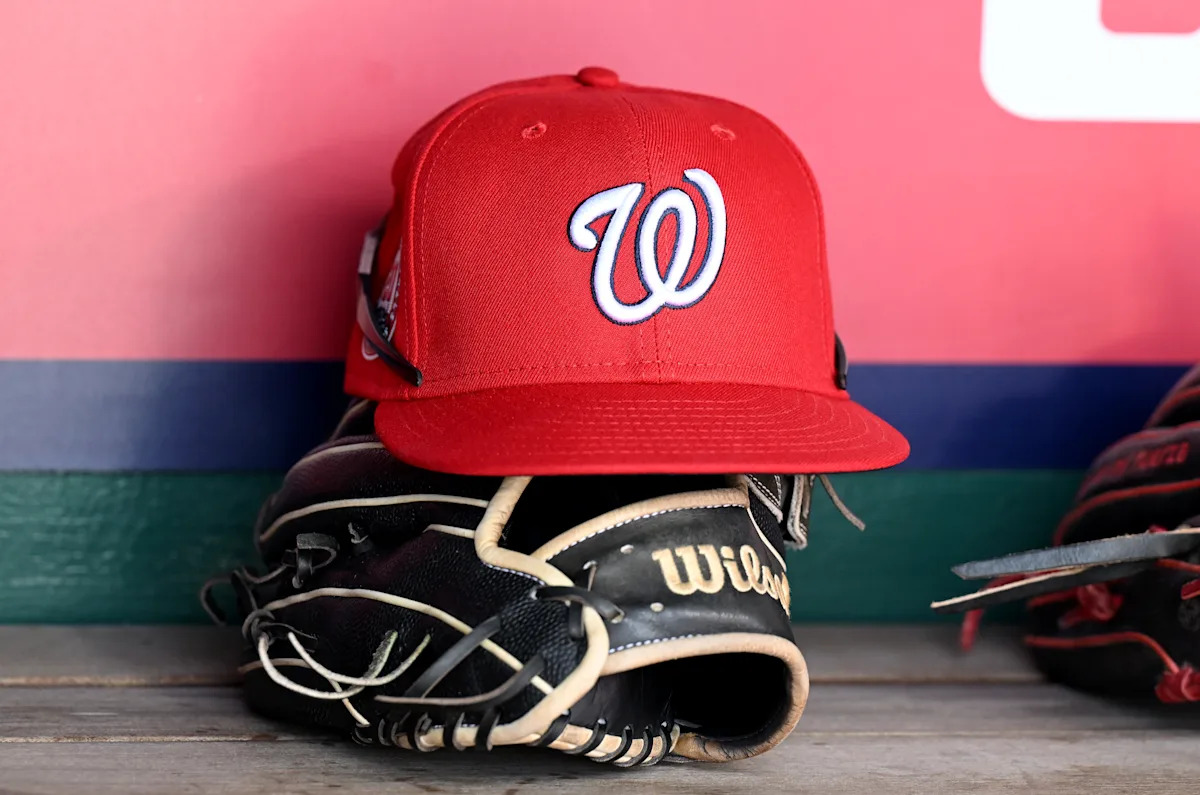
Nationals reportedly hiring Ani Kilambi, 31-year-old Phillies assistant GM, as new general manager
The Washington Nationals' youth movement is rolling full steam ahead. They're hiring 31-year-old Philadelphia Phillies assistant general manager Ani Kilambi as the team's new general manager, as reported Wednesday by ESPN's Jeff Passan.The Phillies hired Kilambi from the Tampa Bay Rays' highly-respected front office when he was just 27 years old. Kilambi went on to oversee the Phillies' research and development department.AdvertisementAdvertisementAdvertisementNow he'll team up with 35-year-old Nationals president of baseball operations Paul Toboni to help 33-year-old manager Blake Butera turn around an organization that won a World Series in 2019 but hasn't made the playoffs, or even won more than 71 games, in a season since.Washington finished last in the NL East this past season with a lowly record of 66-96. In July, the Nationals moved on from general manager Mike Rizzo and manager Dave Martinez.One silver lining this […]

The Big Picture: Rams Ready for Seahawks, the Team Jared Verse ‘Dislikes the Most’
The rematch the Seattle Seahawks have been waiting for has arrived, but the Los Angeles Rams are just as ready as they are for Thursday's heavyweight NFC West tilt. Five weeks ago, the Rams edged out the Seahawks in a nail-biter at SoFi Stadium as Seattle kicker Jason Myers missed a 61-yard field goal at the buzzer. Seahawks quarterback Sam Darnold had his worst performance since joining Seattle in that game, throwing four interceptions. But with the Seahawks still having an opportunity at the end, defensive players like Leonard Williams and Uchenna Nwosu said afterward they couldn’t wait to face the Rams at their place for the rematch.Well, the Rams can't wait, either. While the Rams-San Francisco 49ers rivalry might be the most competitive in the NFC West considering their recent success, second-year edge rusher Jared Verse pointed at the Seahawks […]
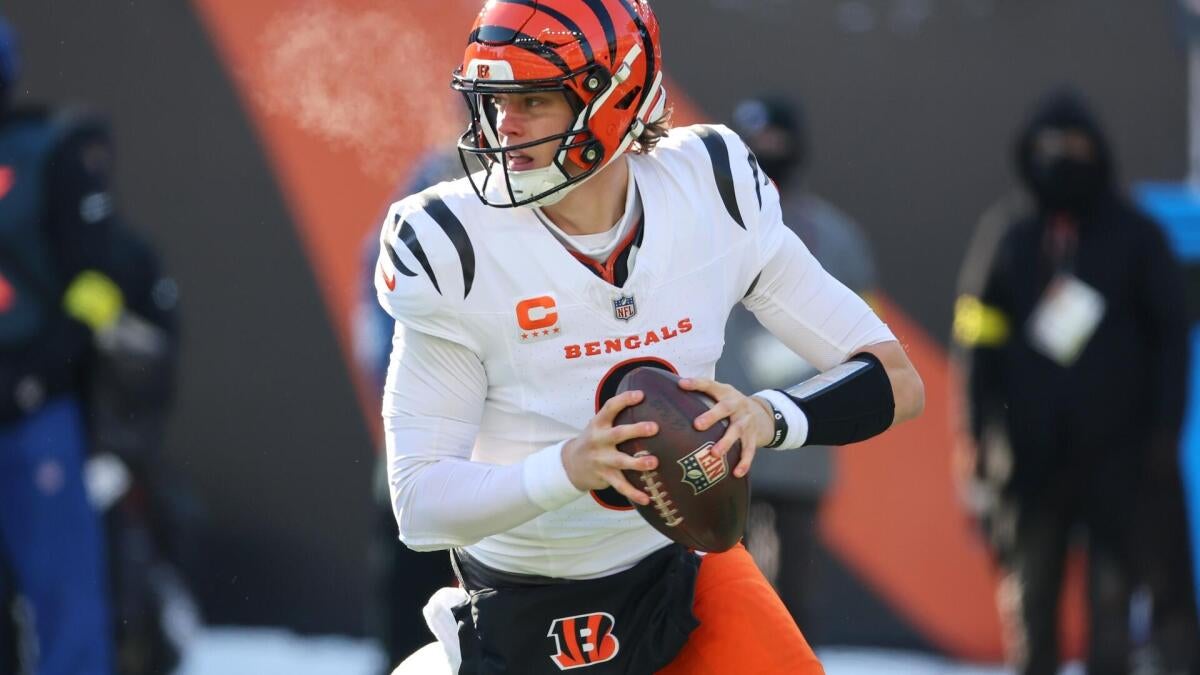
NFL Week 16 picks: Expert looks at teams coming off shutout losses under proven betting system
SportsLine NFL expert Jeff Hochman's system paid off in Week 14, with the New Orleans Saints and Las Vegas Raiders covering the spread, and he hit one of two in Week 15. The Houston Texans blew out the Arizona Cardinals, who were giving 9.5 points, but the Washington Commanders beat the New York Giants as 2.5-point underdogs. Hochman has lined up another system for Week 16 of the 2025 NFL season and identified two spots bettors can target.NFL teams bouncing back after shutout lossesWin Rate: 31-12-4 ATS (72.1%)Sample Size: Since 2011Criteria: Teams scoring zero points in the prior weekEdge: Non-Division games; Week 11 or laterWhy does this work?This system looks at teams that didn't score the previous week and were playing a non-divisional team in Week 11 or later. In this spot, teams have covered the spread 31 times in […]
How to Bet on Jake Paul vs Anthony Joshua Netflix Fight
This page may contain affiliate links to legal sports betting partners. If you sign up or place a wager, FOX Sports may be compensated. Read more about Sports Betting on FOX Sports.Get ready for a big showdown as Jake Paul takes on Anthony Joshua, streaming exclusively on Netflix! And if you're not just watching but also ready to place your bets, we've got you covered with some thrilling options. Dive into the world of sports betting by choosing a top-notch legal sportsbook app in your state—like DraftKings, FanDuel, BetMGM, bet365, or Caesars—that offers exciting fight markets.These apps offer exciting fight markets, such as moneyline bets (who wins), method-of-victory props (KO, decision, draw), and round betting. Ensure the app is licensed locally and supports boxing/MMA betting. Once you're set up, explore markets for Paul vs. Joshua. For more excitement and potential bigger payouts, […]

Bears president floats Northwest Indiana as new home amid stadium standoff with Illinois Legislature
The Chicago Bears are thinking outside of the box — er, state — for their next stadium.Bears president Kevin Warren released a letter to season ticket holders Wednesday with an update on the franchise's yearslong search for a new home after a century at Soldier Field. In recent years, the campaign has focused on a site in the suburb of Arlington Heights that the Bears purchased in 2023, with Warren saying in September that the team needs to finalize plans this year.AdvertisementAdvertisementAdvertisementHowever, Warren said in his letter Wednesday that Illinois state leaders have directly told the Bears the project will not be a priority in 2026 and that the team will now expand its search for a stadium in the greater Chicago area. Which includes the region of Northwest Indiana.From the letter:Stable timelines are critical, as are predictable processes and […]
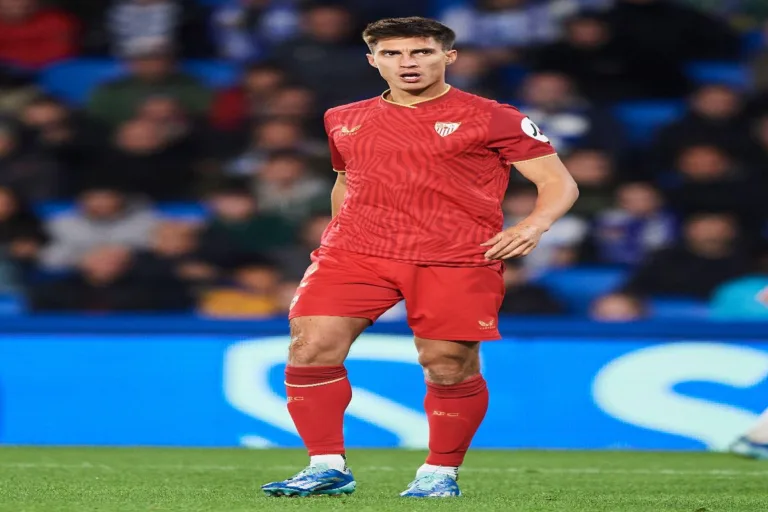
Zubeldía indica dupla de argentinos para Fluminense tentar contratar
Zagueiro pertence ao Sevilla (Crédito: Cesar Ortiz Gonzalez/Alamy)O Fluminense já iniciou o planejamento do elenco para a próxima temporada e pode apostar em nomes argentinos para reforçar o time. A pedido do técnico Luis Zubeldía, o clube carioca avalia a contratação do zagueiro Federico Gattoni, que pertence ao Sevilla, da Espanha, e do atacante Adrián “Maravilla” Martínez, destaque do Racing. Os dois jogadores foram indicados pelo treinador como opções viáveis para qualificar o elenco tricolor em 2026.LEIA MAIS: Davide Ancelotti não é mais o técnico do BotafogoLEIA MAIS: Luis Enrique exalta atuação do Flamengo: “Tivemos que ir no limite” PUBLICIDADE PUBLICIDADEFederico Gattoni surge como opção para a defesaCom 26 anos, Federico Gattoni é visto como um nome interessante para reforçar o sistema defensivo do Fluminense. O zagueiro esteve emprestado ao River Plate até o final da atual temporada, mas não […]
Related
Nationals reportedly hiring Ani Kilambi, 31-year-old Phillies assistant GM, as new general manager
The Washington Nationals' youth movement is rolling full steam ahead. They're hiring 31-year-old Philadelphia Phillies assistant general manager Ani Kilambi as the team's new general manager, as reported Wednesday by ESPN's Jeff Passan.The Phillies hired Kilambi from the Tampa Bay Rays' highly-respected front office when he was just 27 years old. Kilambi went on to oversee the Phillies' research and development department.AdvertisementAdvertisementAdvertisementNow he'll team up with 35-year-old Nationals president of baseball operations Paul Toboni to help 33-year-old manager Blake Butera turn around an organization that won a World Series in 2019 but hasn't made the playoffs, or even won more than 71 games, in a season since.Washington finished last in the NL East this past season with a lowly record of 66-96. In July, the Nationals moved on from general manager Mike Rizzo and manager Dave Martinez.One silver lining this […]
The Big Picture: Rams Ready for Seahawks, the Team Jared Verse ‘Dislikes the Most’
The rematch the Seattle Seahawks have been waiting for has arrived, but the Los Angeles Rams are just as ready as they are for Thursday's heavyweight NFC West tilt. Five weeks ago, the Rams edged out the Seahawks in a nail-biter at SoFi Stadium as Seattle kicker Jason Myers missed a 61-yard field goal at the buzzer. Seahawks quarterback Sam Darnold had his worst performance since joining Seattle in that game, throwing four interceptions. But with the Seahawks still having an opportunity at the end, defensive players like Leonard Williams and Uchenna Nwosu said afterward they couldn’t wait to face the Rams at their place for the rematch.Well, the Rams can't wait, either. While the Rams-San Francisco 49ers rivalry might be the most competitive in the NFC West considering their recent success, second-year edge rusher Jared Verse pointed at the Seahawks […]
NFL Week 16 picks: Expert looks at teams coming off shutout losses under proven betting system
SportsLine NFL expert Jeff Hochman's system paid off in Week 14, with the New Orleans Saints and Las Vegas Raiders covering the spread, and he hit one of two in Week 15. The Houston Texans blew out the Arizona Cardinals, who were giving 9.5 points, but the Washington Commanders beat the New York Giants as 2.5-point underdogs. Hochman has lined up another system for Week 16 of the 2025 NFL season and identified two spots bettors can target.NFL teams bouncing back after shutout lossesWin Rate: 31-12-4 ATS (72.1%)Sample Size: Since 2011Criteria: Teams scoring zero points in the prior weekEdge: Non-Division games; Week 11 or laterWhy does this work?This system looks at teams that didn't score the previous week and were playing a non-divisional team in Week 11 or later. In this spot, teams have covered the spread 31 times in […]
How to Bet on Jake Paul vs Anthony Joshua Netflix Fight
This page may contain affiliate links to legal sports betting partners. If you sign up or place a wager, FOX Sports may be compensated. Read more about Sports Betting on FOX Sports.Get ready for a big showdown as Jake Paul takes on Anthony Joshua, streaming exclusively on Netflix! And if you're not just watching but also ready to place your bets, we've got you covered with some thrilling options. Dive into the world of sports betting by choosing a top-notch legal sportsbook app in your state—like DraftKings, FanDuel, BetMGM, bet365, or Caesars—that offers exciting fight markets.These apps offer exciting fight markets, such as moneyline bets (who wins), method-of-victory props (KO, decision, draw), and round betting. Ensure the app is licensed locally and supports boxing/MMA betting. Once you're set up, explore markets for Paul vs. Joshua. For more excitement and potential bigger payouts, […]
Bears president floats Northwest Indiana as new home amid stadium standoff with Illinois Legislature
The Chicago Bears are thinking outside of the box — er, state — for their next stadium.Bears president Kevin Warren released a letter to season ticket holders Wednesday with an update on the franchise's yearslong search for a new home after a century at Soldier Field. In recent years, the campaign has focused on a site in the suburb of Arlington Heights that the Bears purchased in 2023, with Warren saying in September that the team needs to finalize plans this year.AdvertisementAdvertisementAdvertisementHowever, Warren said in his letter Wednesday that Illinois state leaders have directly told the Bears the project will not be a priority in 2026 and that the team will now expand its search for a stadium in the greater Chicago area. Which includes the region of Northwest Indiana.From the letter:Stable timelines are critical, as are predictable processes and […]
Zubeldía indica dupla de argentinos para Fluminense tentar contratar
Zagueiro pertence ao Sevilla (Crédito: Cesar Ortiz Gonzalez/Alamy)O Fluminense já iniciou o planejamento do elenco para a próxima temporada e pode apostar em nomes argentinos para reforçar o time. A pedido do técnico Luis Zubeldía, o clube carioca avalia a contratação do zagueiro Federico Gattoni, que pertence ao Sevilla, da Espanha, e do atacante Adrián “Maravilla” Martínez, destaque do Racing. Os dois jogadores foram indicados pelo treinador como opções viáveis para qualificar o elenco tricolor em 2026.LEIA MAIS: Davide Ancelotti não é mais o técnico do BotafogoLEIA MAIS: Luis Enrique exalta atuação do Flamengo: “Tivemos que ir no limite” PUBLICIDADE PUBLICIDADEFederico Gattoni surge como opção para a defesaCom 26 anos, Federico Gattoni é visto como um nome interessante para reforçar o sistema defensivo do Fluminense. O zagueiro esteve emprestado ao River Plate até o final da atual temporada, mas não […]
Be the first to leave a comment