


The National Women’s Soccer League (NWSL) has introduced a roster mechanism to allow teams to pay certain players up to $1 million above the current salary cap.
The mechanism, called the High Impact Player rule, was created in part as a way to try to keep Washington Spirit and U.S. forward Trinity Rodman in the league as negotiations over the free agent continue; however, a league source previously said the mechanism was “bigger than one player.”
Advertisement
The new rule will allow players to be paid above the salary cap, as established by the league’s collective bargaining agreement, if they meet certain criteria. On Tuesday, the NWSL released details of the criteria, with metrics including featuring in the Ballon d’Or top 30, appearing on annual lists compiled by sports publications that rank the world’s best players, and game time for the U.S. women’s national team.
The league said that the rule change could add up to $115 million in additional compensation through the existing collective bargaining agreement, which runs through 2030, and was “designed to provide clubs with expanded flexibility to attract and retain high impact players.”
“Ensuring our teams can compete for the best players in the world is critical to the continued growth of our league,” NWSL Commissioner Jessica Berman said in the announcement.
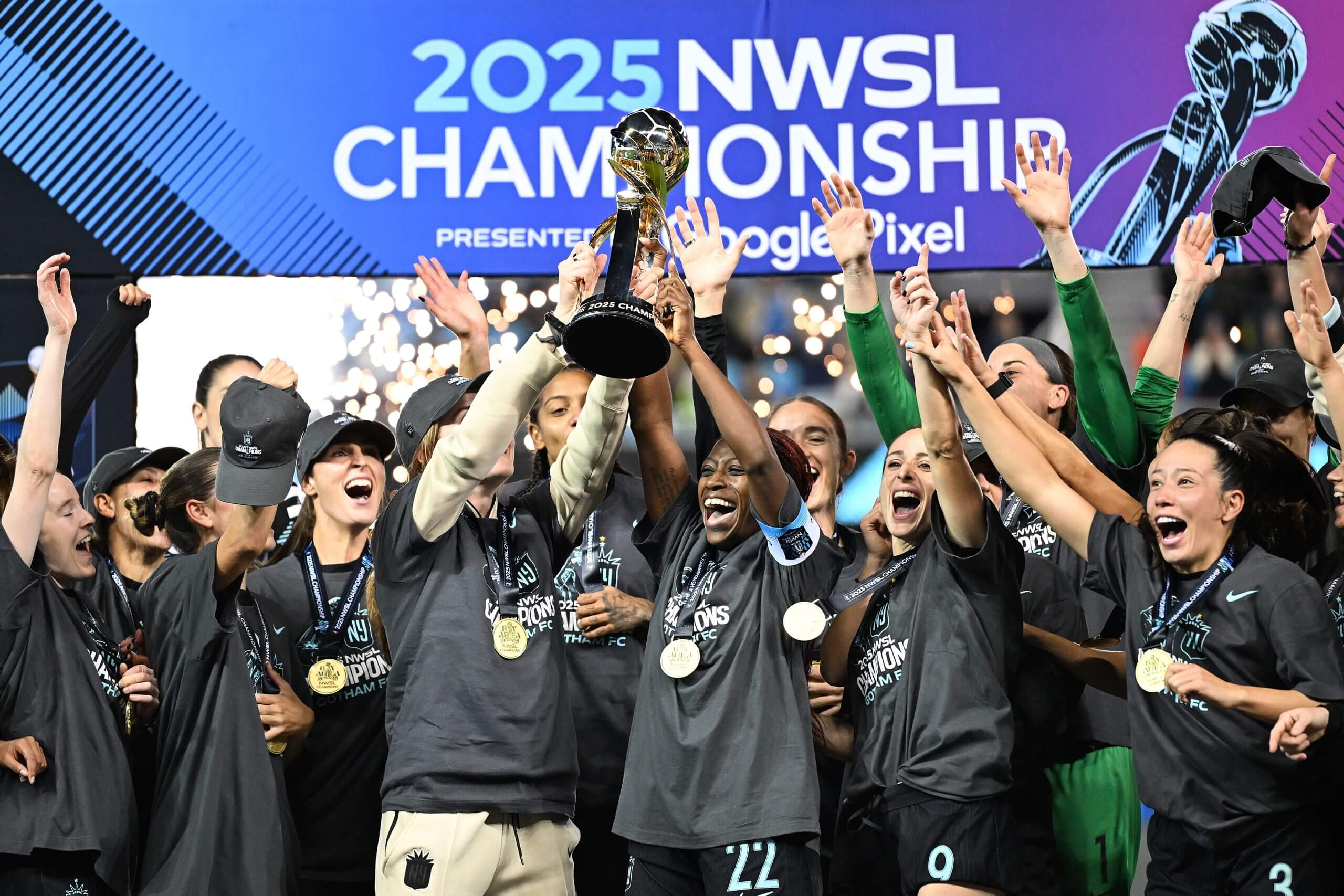
Gotham won the 2025 NWSL Championship (Brandon Vallance/Getty Images)
The NWSL Player Association (NWSLPA) formally rejected the proposed rule last week, with executive director Meghann Burke saying the union did not think the league “clearly thought through all of the practical implementation” of the rule. The NWSLPA had specific concerns about the speed of the proposal and the metrics used, such as USWNT minutes, Ballon d’Or honors and appearances in rankings created by publications outside the U.S.
Burke told The Athletic last week that a lack of agreement on how to proceed could result in a legal dispute.
“I will say, I’m a lawyer. I’m not afraid,” Burke said. “There’s no harm in using the mechanisms that are available to us to have clarity over the rules of the road and how to interpret the contract. So I don’t perceive that to be a bad thing, but we do think there needs to be clarity.”
On Tuesday, the NWSL publicly released details of what the criteria included, saying players must meet one of the following commercial or sporting metrics to be considered:
- SportsPro Media Top 150 Most Marketable Athletes within the one year prior to the current league season
- Top 30 in Ballon d’Or voting in the two years prior to the current league season
- Top 40 of the Guardian Top 100 football players in the world in the two years prior
- Top 40 of ESPN FC Top 50 football players in the world in the two years prior
- Top 11 minutes played for the U.S. in the prior two calendar years for field players for all competition types
- Top one minutes played for USWNT in the prior two calendar years for goalkeepers for all competition types
- NWSL MVP Finalist within previous the two league seasons
- End of Year NWSL Best XI First Team within the previous two league seasons.
The NWSL’s board of governors voted to approve the HIP mechanism earlier this month. ESPN was first to report the initial approval.
In accordance with the CBA, the Players Association is required to weigh in on matters involving the salary cap. In its announcement, the league said that it “exercised its discretion to establish” the new roster classification and “reduce associated salary cap charges following consultation with the NWSL Players Association.”
Advertisement
Last week, Burke said that the originally proposed change needed to be collectively bargained.
“The league is trying to assert control over something that should be within the purview and discretion of teams,” Burke said.
The $1 million HIP allotment will grow in accordance with the salary cap, which was $3.5 million in 2025 after $200,000 team revenue shares were added. The base salary cap in 2030 is more than $5 million, according to the CBA. The additional allotment can be used on more than one player who fits the listed parameters. This was done to provide teams with the ability to compete in a growing market while “preserving competitive balance,” according to the NWSL release. However, any player contract using HIP must be a minimum of 12 percent of the base salary.
The new rule reflects the league’s efforts to compete in an increasingly competitive global market. Rodman is only the most recent example of the league’s salary restrictions impact players’ abilities to stay in the NWSL. Both U.S. defender Naomi Girma and forward Alyssa Thompson left the NWSL this year to join Chelsea in the Women’s Super League, a league without salary cap restrictions. The NWSL has consistently cited the salary cap as a key driver in maintaining the league’s advantage of parity and competition.

Thompson and Girma both moved from the NWSL to the WSL in 2025 (Christian Bruna/Getty Images)
Last month, Berman rejected a four-year, multimillion-dollar offer agreed upon between the Spirit and Rodman, as it would have violated the “spirit” of the league’s rules, according to league sources. That rejection resulted in an NWSLPA grievance filed on Rodman’s behalf against the league for violating five sections of the CBA, according to the filing. This rule change does not change the status of the grievance, but its resolution timeline has been extended and will likely be addressed in the new year.
Advertisement
The NWSLPA and the league’s board of governors, consisting of owners and Berman, agree that the NWSL must increase their investment in player composition to compete on a global stage. However, the sides disagree on how the additional funds should be spent. The league wants restrictions while the NWSLPA believes it should be up to teams to decide.
“Part of the frustration of some of our elected leadership who were involved in the recent CBA negotiations is that both sides agreed to a salary cap system that, at the time we struck the deal, was just enough to accommodate contracts as they then existed, but not high enough to accommodate anticipated year-over-year growth,” Burke said last week. “The transfer fee record was being broken every week or two that summer.
“We knew this was going to happen, and when we made that point in the final hours of negotiation that these caps are too low, the league’s response was, ‘Well, we can increase them.’ They need to increase them.”
This news was originally published on this post .
About the author

Fantasy Football Week 17 Half-PPR Rankings
You did it! If you've made it to Week 17 fantasy football, it likely means you made the championship in your league — no easy feat. No matter what happens, be proud of what you accomplished and know there's still work left to be done. Let us help you on your way to a title.Note that we have a handful of games prior to Sunday's main slate. There are three games on Christmas Day, plus two games on Saturday. Because of the holiday week, we'll be getting you all the rankings you need in advance of Thursday.AdvertisementAdvertisementAdvertisement[Upgrade to Fantasy Plus and gain your edge in player projections and much more]Below you can find fantasy football consensus half-PPR rankings from Yahoo analysts Justin Boone, Scott Pianowski, Matt Harmon and Joel Smyth.More Week 17 adviceRankings from each Yahoo Fantasy analystConsensus Half-PPR RankingsQBs […]
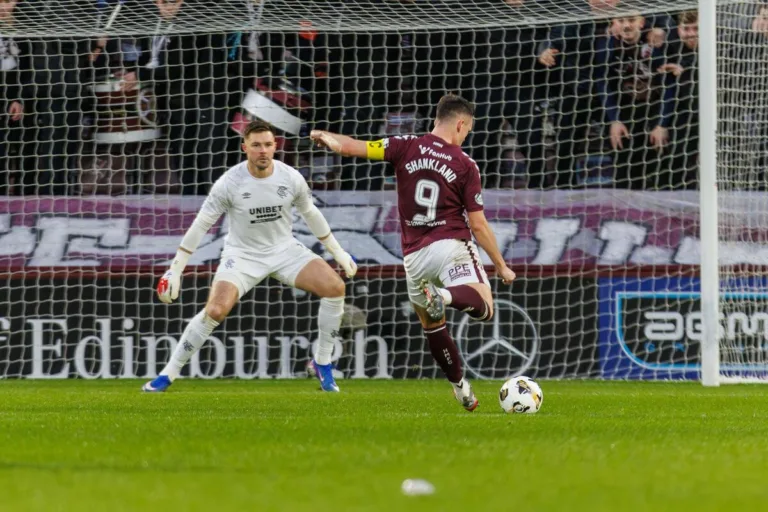
Hearts perto de acabar com hegemonia de 40 anos na Escócia e superar Rangers e Celtic
Hearts lidera na Escócia. Foto: WM Sport Media/ Alamy Live NewsO futebol escocês vive um cenário raro ao fim de 2025. Pela primeira vez em quatro décadas, Celtic e Rangers observam um rival fora de Glasgow ocupar a liderança do campeonato. O Hearts, tradicional clube de Edimburgo, aparece à frente dos gigantes após vencer o Rangers por 2 a 1 no último fim de semana. PUBLICIDADE PUBLICIDADEA confiança no elenco não passa despercebida. Após o triunfo, o técnico Derek McInnes foi direto ao analisar o momento vivido pelo time. “Eu esperava que ganhássemos hoje. Estamos construindo algo muito bom aqui. Não estou surpreso com o nosso desempenho”, afirmou o treinador.A declaração resume a mudança de patamar do Hearts, que até a temporada 2020/21 disputava a segunda divisão. Agora, o clube surge como candidato real ao título nacional. PUBLICIDADE PUBLICIDADEQuer apostar […]
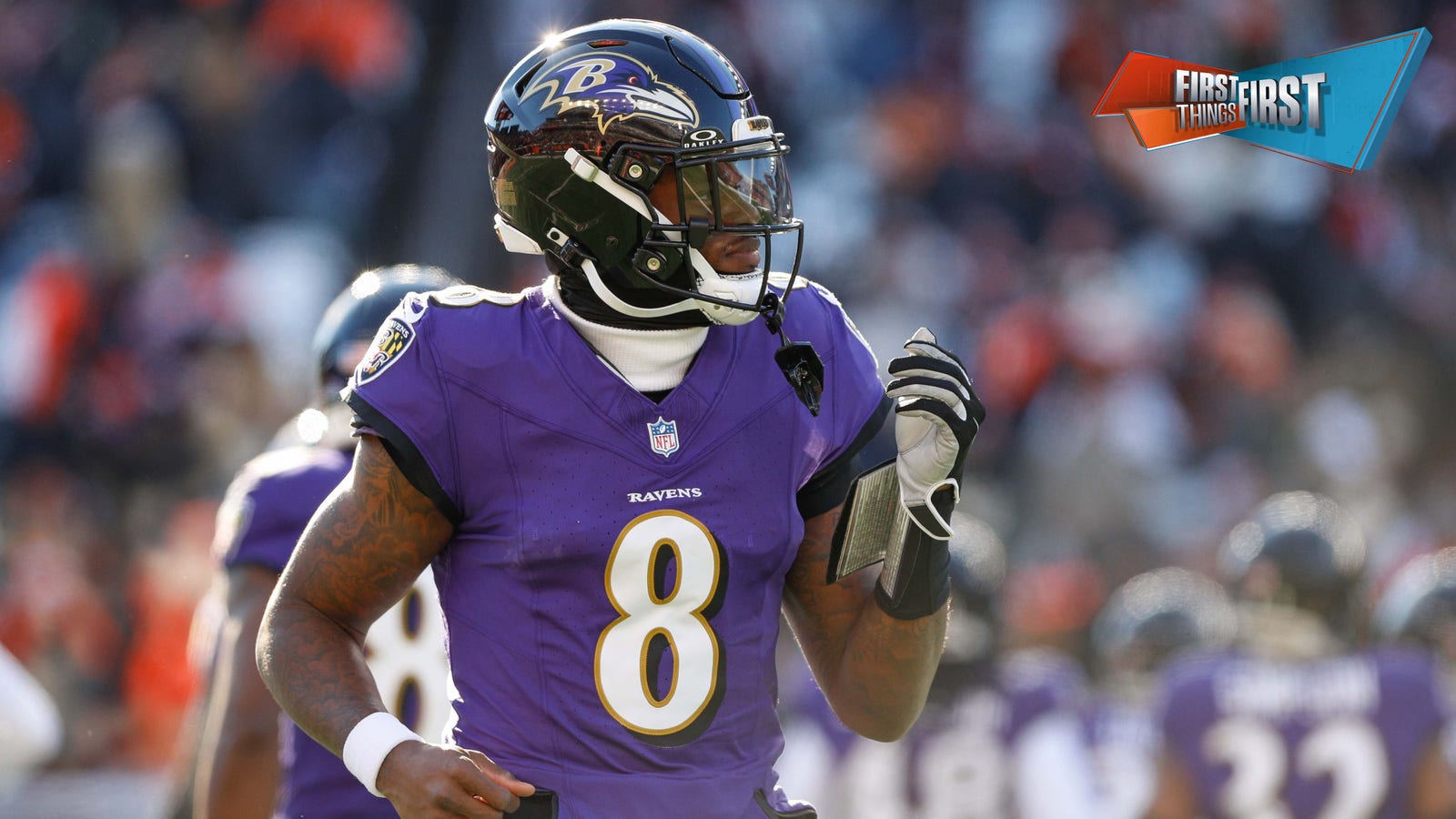
The Big Picture: Ravens Lament ‘Terrible’ Season They Fumbled Away
M&T Bank Stadium (Baltimore) — Lamar Jackson leaned into a locker and spoke for three minutes, a constant grimace on his face, sharing the pain in his back that had taken him out of Saturday's game and the pain of a season that has slipped away from the Ravens.Jackson took a knee to his lower back late in the first half against the Patriots and said he even took a Toradol shot trying to get back in a game Baltimore needed to win, but the pain never went away and he stayed on the sideline. Much the same way, no answer can bring solace to how the Ravens got a 7-8 record, on the outside of the playoff picture with two games left."Yes, it's B.S., bro," Jackson said of the frustration of this season. "I can't control that. I'm on […]
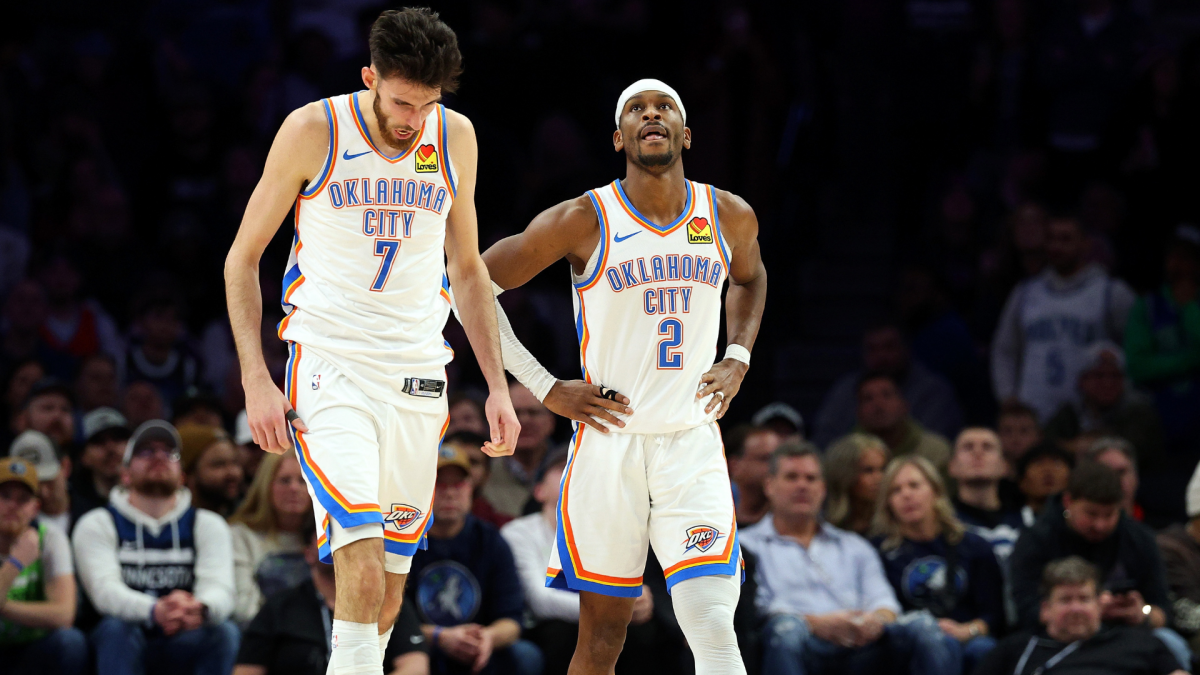
The Thunder’s chance at the NBA wins record appears to be slipping away
After suffering just their second loss of the season last week courtesy of the Spurs, the Thunder have back-to-back games against that very team this week. First away at San Antonio on Tuesday, then home on Christmas Day. For an OKC team that got off to a 24-1 start, tying the best record in NBA history over the first 25 games, the schedule has suddenly stiffened up on them. Over the weekend, the Wolves handed them their third defeat of the season and their second loss in three games. Consequently, the early chatter about whether the Thunder will eclipse the Warriors' single-season win record has hushed a little. Before the loss in Minnesota, OKC's odds to reach 70+ wins were -188 while the Thunder were installed at +360 to win 74 games and break the record. After falling to Wolves, those […]

AP College Basketball Players of the Week: TTU’s Anderson, Iowa State’s Crooks
The Associated Press announced its national players of the week in men's and women's basketball for Week 7 of the season. On the men's basketball side:Anderson scored 23 of his 27 points in the second half and hit two free throws with 3.4 seconds left to cap Texas Tech's rally from a 17-point deficit to beat No. 6 Duke 82-81 Saturday at Madison Square Garden. The 6-foot-3 sophomore guard also converted a three-point play with 1:14 left to give the Red Raiders an 81-77 lead against the previously-undefeated Blue Devils. Anderson is Texas Tech's second-leading scorer at 19.9 points per game and is averaging 7.2 assists with 3.4 rebounds.Runner-upCaleb Wilson, No. 12 North Carolina. The 6-10 freshman had 20 points, 15 rebounds, two assists and three blocks, including one on the final play, in North Carolina's 71-70 win against Ohio […]
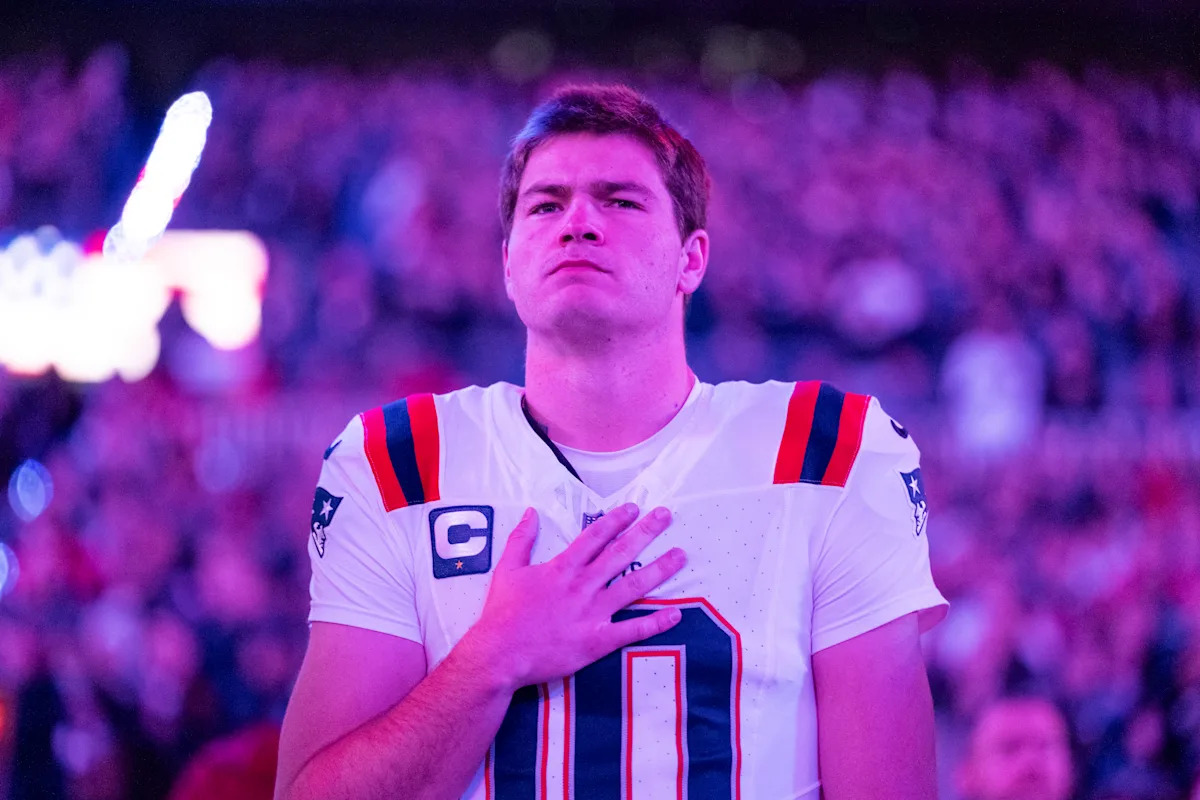
NFL Week 17 stakes, clinching scenarios for teams with division titles and playoff berths on the line
There’s still plenty to be decided the last two weeks of the NFL season. If your team has a chance to clinch the division or a playoff berth in Week 17, here’s what they need.Already clinched a playoff spot: Denver Broncos, New England Patriots, Jacksonville Jaguars, Buffalo Bills, Los Angeles Chargers; Seattle Seahawks, Chicago Bears, Philadelphia Eagles, Los Angeles Rams, San Francisco 49ers.AdvertisementAdvertisementAdvertisementAFC East: New England PatriotsAFC North: Pittsburgh SteelersAFC South: Jacksonville Jaguars | Houston TexansAFC West: Denver BroncosNFC North: Chicago Bears | Green Bay PackersNFC South: Carolina PanthersNFC West: Seattle SeahawksNew England PatriotsWhat's at stakeAFC East titleHow it could happenPatriots win + Bills loss or tie, ORPatriots tie + Bills lossPittsburgh SteelersWhat's at stakeAFC North titleHow it could happenSteelers win or tie, ORRavens loss or tieJacksonville JaguarsWhat's at stakeAFC South titleHow it could happenJaguars win + Texans loss or […]
Related
Fantasy Football Week 17 Half-PPR Rankings
You did it! If you've made it to Week 17 fantasy football, it likely means you made the championship in your league — no easy feat. No matter what happens, be proud of what you accomplished and know there's still work left to be done. Let us help you on your way to a title.Note that we have a handful of games prior to Sunday's main slate. There are three games on Christmas Day, plus two games on Saturday. Because of the holiday week, we'll be getting you all the rankings you need in advance of Thursday.AdvertisementAdvertisementAdvertisement[Upgrade to Fantasy Plus and gain your edge in player projections and much more]Below you can find fantasy football consensus half-PPR rankings from Yahoo analysts Justin Boone, Scott Pianowski, Matt Harmon and Joel Smyth.More Week 17 adviceRankings from each Yahoo Fantasy analystConsensus Half-PPR RankingsQBs […]
Hearts perto de acabar com hegemonia de 40 anos na Escócia e superar Rangers e Celtic
Hearts lidera na Escócia. Foto: WM Sport Media/ Alamy Live NewsO futebol escocês vive um cenário raro ao fim de 2025. Pela primeira vez em quatro décadas, Celtic e Rangers observam um rival fora de Glasgow ocupar a liderança do campeonato. O Hearts, tradicional clube de Edimburgo, aparece à frente dos gigantes após vencer o Rangers por 2 a 1 no último fim de semana. PUBLICIDADE PUBLICIDADEA confiança no elenco não passa despercebida. Após o triunfo, o técnico Derek McInnes foi direto ao analisar o momento vivido pelo time. “Eu esperava que ganhássemos hoje. Estamos construindo algo muito bom aqui. Não estou surpreso com o nosso desempenho”, afirmou o treinador.A declaração resume a mudança de patamar do Hearts, que até a temporada 2020/21 disputava a segunda divisão. Agora, o clube surge como candidato real ao título nacional. PUBLICIDADE PUBLICIDADEQuer apostar […]
The Big Picture: Ravens Lament ‘Terrible’ Season They Fumbled Away
M&T Bank Stadium (Baltimore) — Lamar Jackson leaned into a locker and spoke for three minutes, a constant grimace on his face, sharing the pain in his back that had taken him out of Saturday's game and the pain of a season that has slipped away from the Ravens.Jackson took a knee to his lower back late in the first half against the Patriots and said he even took a Toradol shot trying to get back in a game Baltimore needed to win, but the pain never went away and he stayed on the sideline. Much the same way, no answer can bring solace to how the Ravens got a 7-8 record, on the outside of the playoff picture with two games left."Yes, it's B.S., bro," Jackson said of the frustration of this season. "I can't control that. I'm on […]
The Thunder’s chance at the NBA wins record appears to be slipping away
After suffering just their second loss of the season last week courtesy of the Spurs, the Thunder have back-to-back games against that very team this week. First away at San Antonio on Tuesday, then home on Christmas Day. For an OKC team that got off to a 24-1 start, tying the best record in NBA history over the first 25 games, the schedule has suddenly stiffened up on them. Over the weekend, the Wolves handed them their third defeat of the season and their second loss in three games. Consequently, the early chatter about whether the Thunder will eclipse the Warriors' single-season win record has hushed a little. Before the loss in Minnesota, OKC's odds to reach 70+ wins were -188 while the Thunder were installed at +360 to win 74 games and break the record. After falling to Wolves, those […]
AP College Basketball Players of the Week: TTU’s Anderson, Iowa State’s Crooks
The Associated Press announced its national players of the week in men's and women's basketball for Week 7 of the season. On the men's basketball side:Anderson scored 23 of his 27 points in the second half and hit two free throws with 3.4 seconds left to cap Texas Tech's rally from a 17-point deficit to beat No. 6 Duke 82-81 Saturday at Madison Square Garden. The 6-foot-3 sophomore guard also converted a three-point play with 1:14 left to give the Red Raiders an 81-77 lead against the previously-undefeated Blue Devils. Anderson is Texas Tech's second-leading scorer at 19.9 points per game and is averaging 7.2 assists with 3.4 rebounds.Runner-upCaleb Wilson, No. 12 North Carolina. The 6-10 freshman had 20 points, 15 rebounds, two assists and three blocks, including one on the final play, in North Carolina's 71-70 win against Ohio […]
NFL Week 17 stakes, clinching scenarios for teams with division titles and playoff berths on the line
There’s still plenty to be decided the last two weeks of the NFL season. If your team has a chance to clinch the division or a playoff berth in Week 17, here’s what they need.Already clinched a playoff spot: Denver Broncos, New England Patriots, Jacksonville Jaguars, Buffalo Bills, Los Angeles Chargers; Seattle Seahawks, Chicago Bears, Philadelphia Eagles, Los Angeles Rams, San Francisco 49ers.AdvertisementAdvertisementAdvertisementAFC East: New England PatriotsAFC North: Pittsburgh SteelersAFC South: Jacksonville Jaguars | Houston TexansAFC West: Denver BroncosNFC North: Chicago Bears | Green Bay PackersNFC South: Carolina PanthersNFC West: Seattle SeahawksNew England PatriotsWhat's at stakeAFC East titleHow it could happenPatriots win + Bills loss or tie, ORPatriots tie + Bills lossPittsburgh SteelersWhat's at stakeAFC North titleHow it could happenSteelers win or tie, ORRavens loss or tieJacksonville JaguarsWhat's at stakeAFC South titleHow it could happenJaguars win + Texans loss or […]
Be the first to leave a comment